Participation Culture
What is Participation Culture?
Participation Culture has its roots in the UK's Participatory City movement, but we've adapted and reshaped it for Aotearoa. It draws on decades of community development practice the belief that people are more likely to participate in community life when they have had experiences where their participation matters. Rather than designing activities for people and hoping they'll turn up, Participation Culture starts with relationships and investing in people getting to know each other.
It happens on streets, in community centres, at markets, around kitchen tables, outside school gates, and wherever people naturally gather. It's about creating opportunities for connection, participation, and belonging. Typically in a neighbourhood setting.
How it works
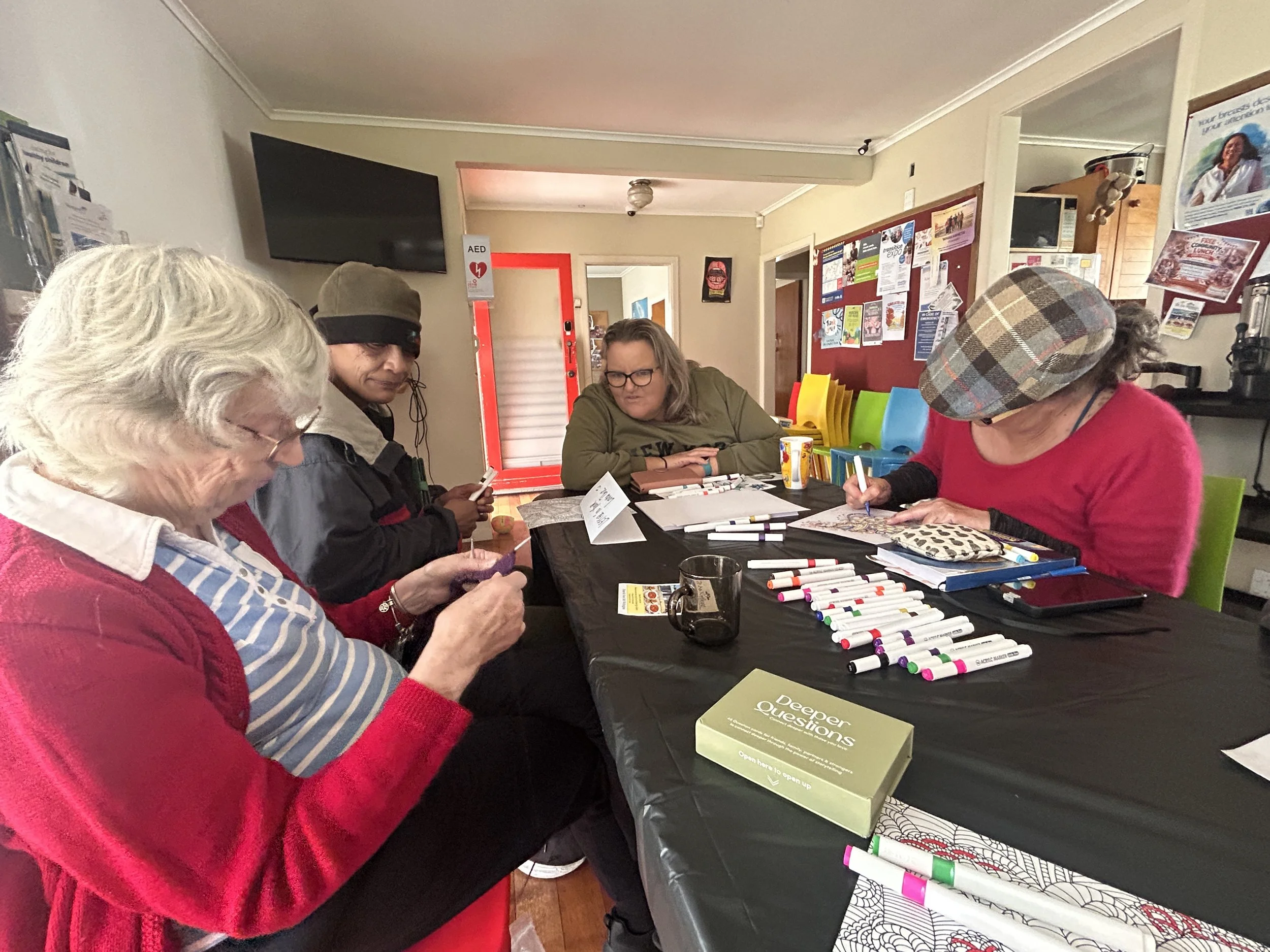
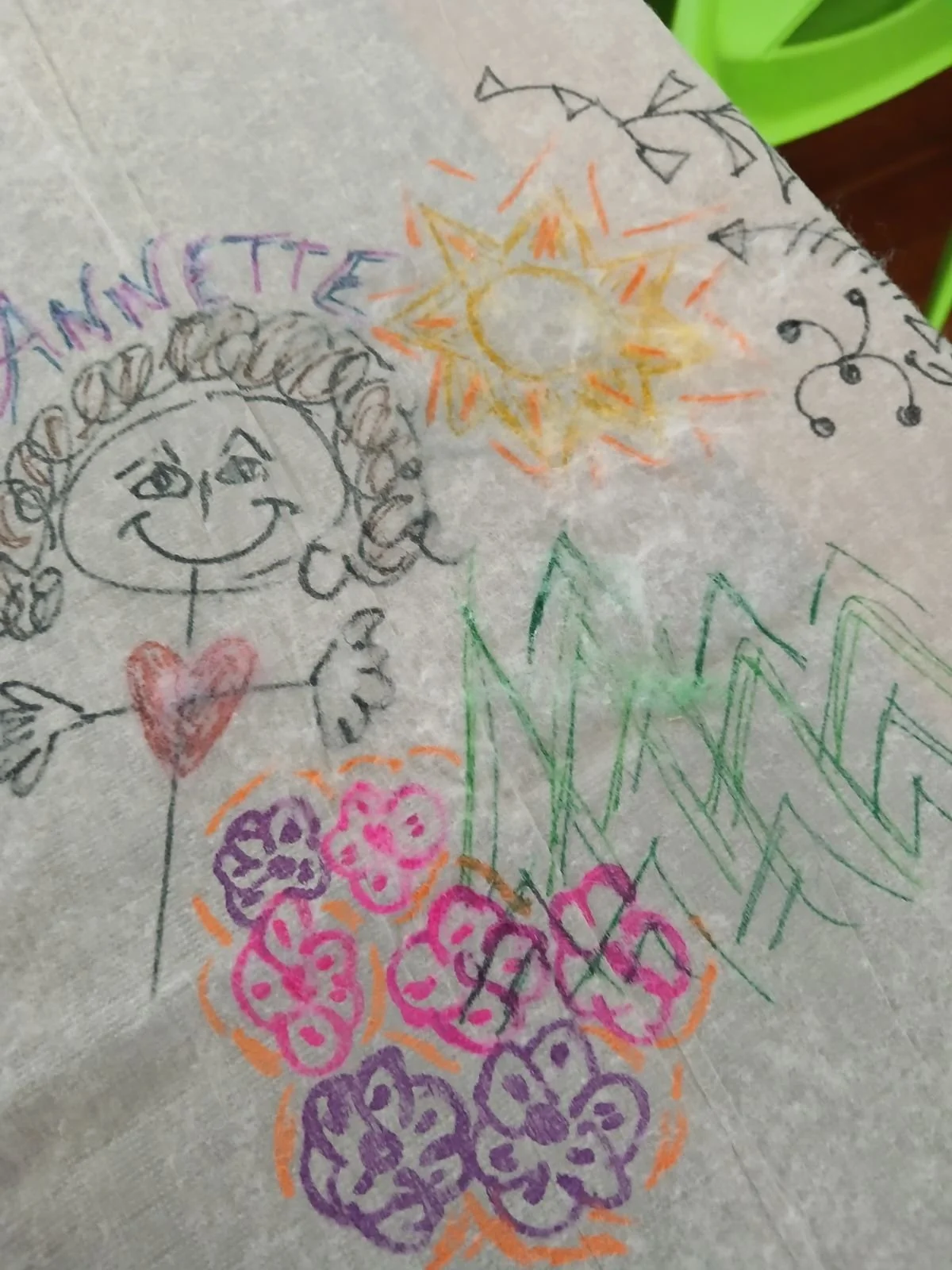
Most of the time it starts small. A shared meal. A conversation. Someone inviting a neighbour along. A walking group. A community noticeboard. A local idea that captures people's imagination. A conversation at a bus stop.
One thing leads to another, like a self replicating circle.
Participation Culture grows through relationships, people getting to know one another and discovering what they might like to do together.
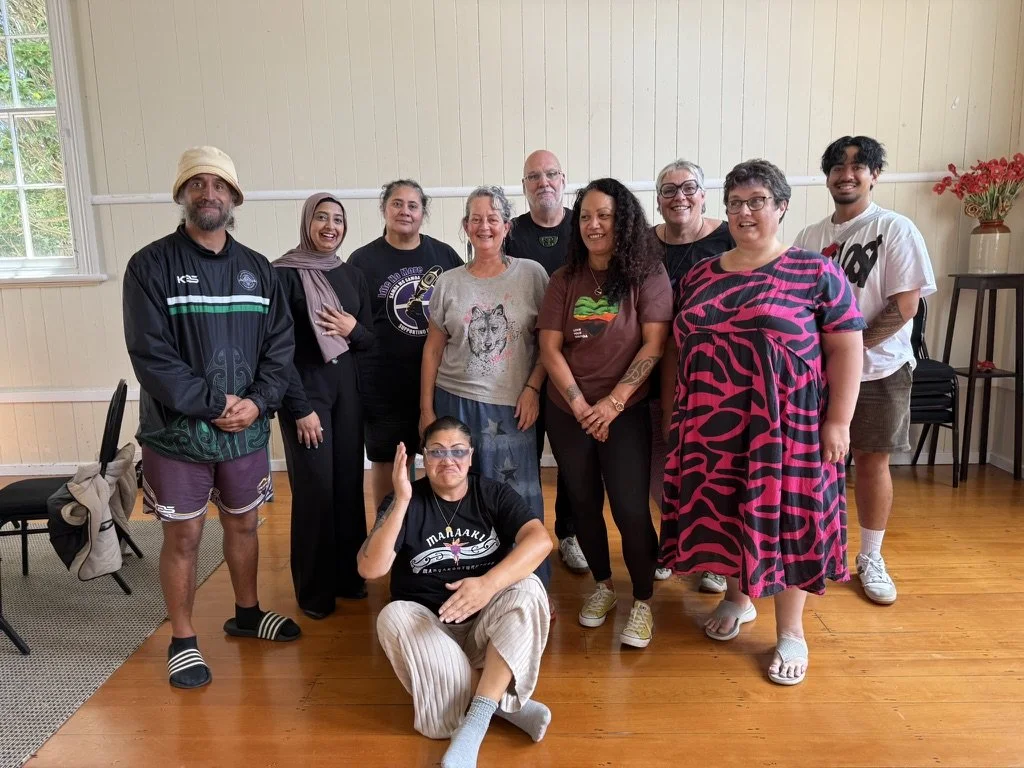
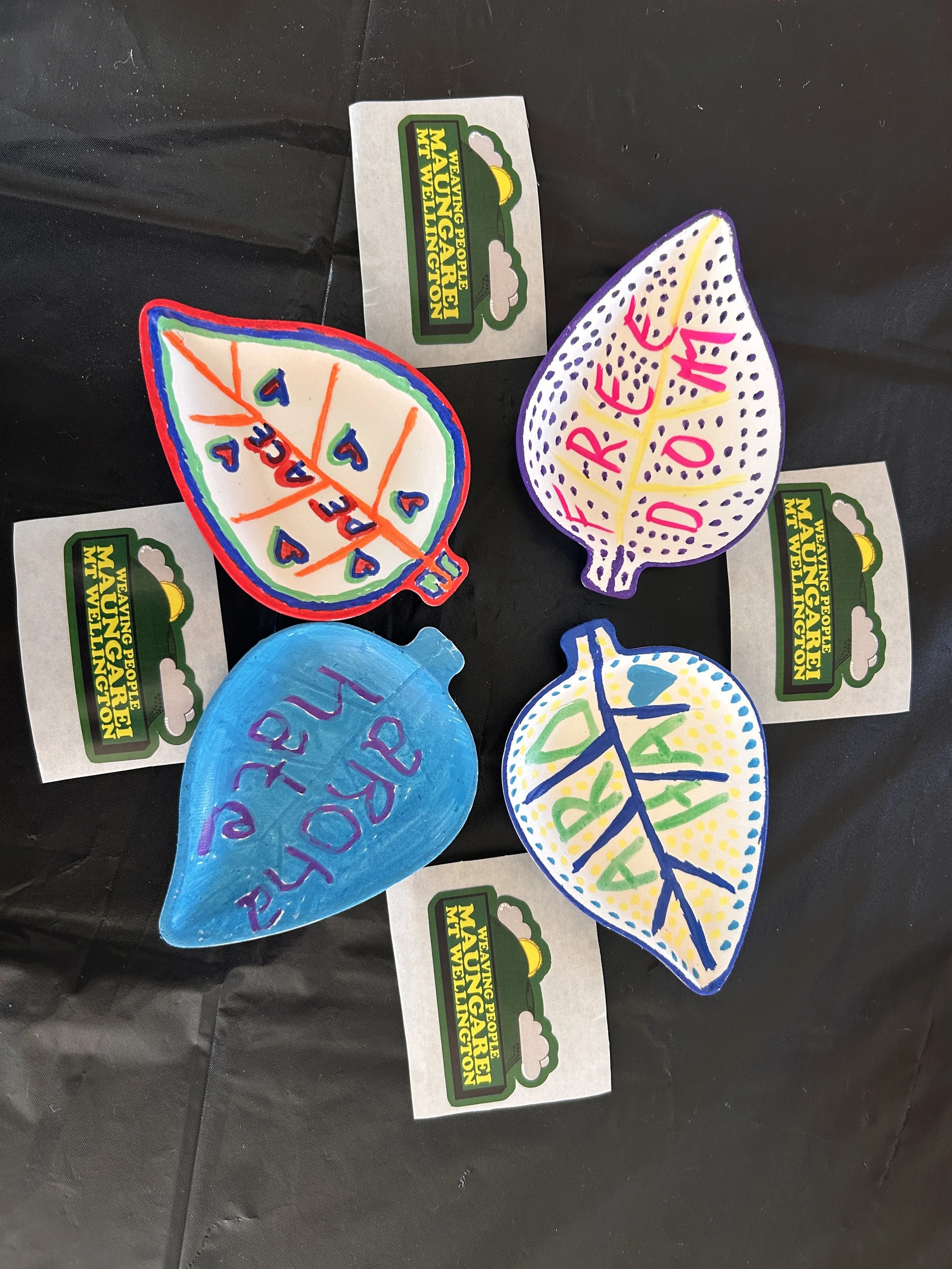
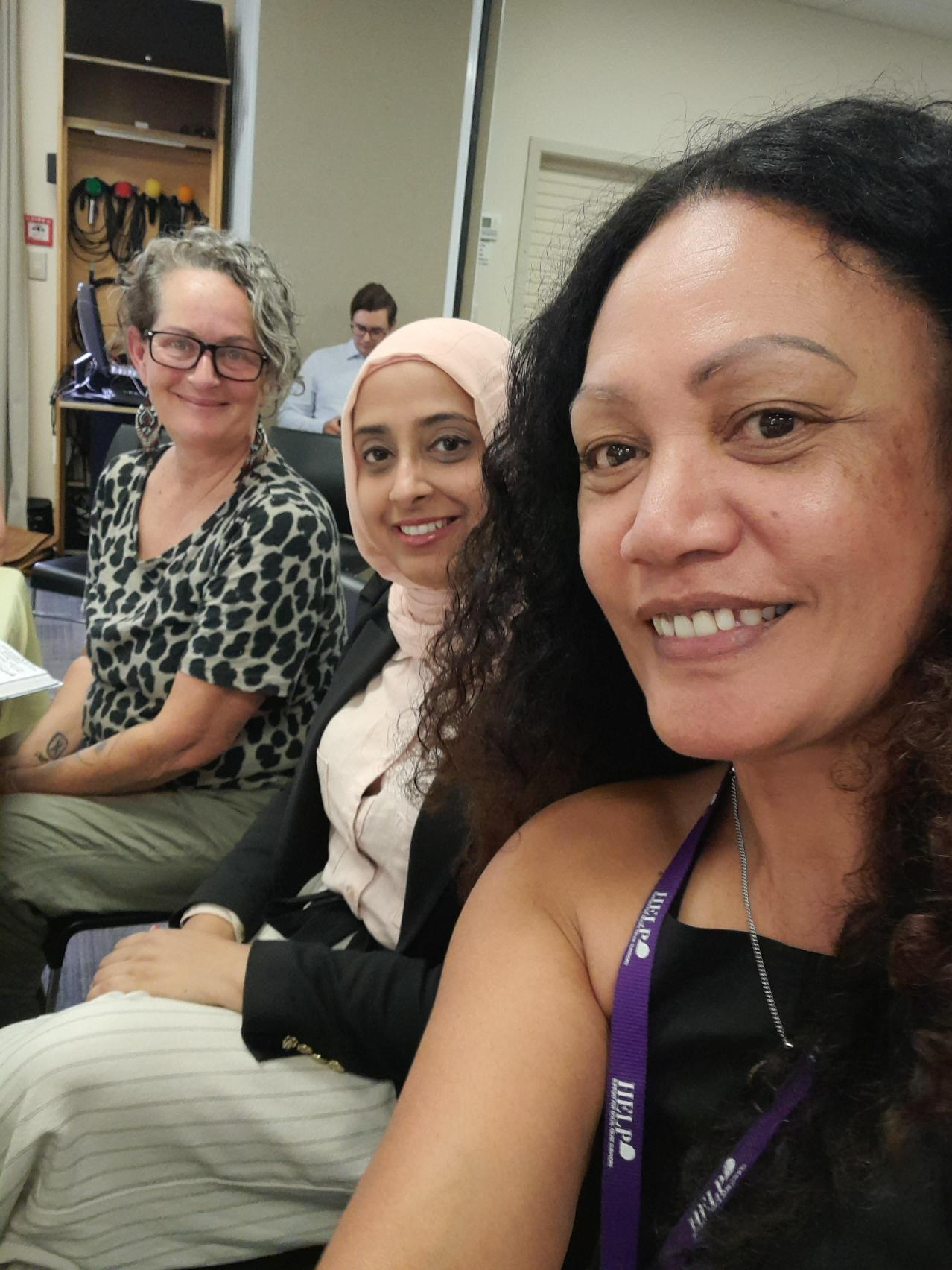
A key part of this work is the role of the Weaver. Weavers are local people who work with people's energy, connecting neighbours, encouraging participation, and helping ideas gain traction. They work alongside communities, strengthening the relationships, skills, and social fabric that already exists.
They're a bit like that person on your street who seems to know everyone, welcomes new people in, spots opportunities for connection, and quietly helps good things happen.
What we’ve learned
In 2024, Participation Culture was explored in three pilot locations across Aotearoa: Wellsford, Mangakootukutuku (Glenview), and Hoon Hay and Rowley in Christchurch.
Each community approached the work differently because every place has its own history, culture, relationships, and strengths.
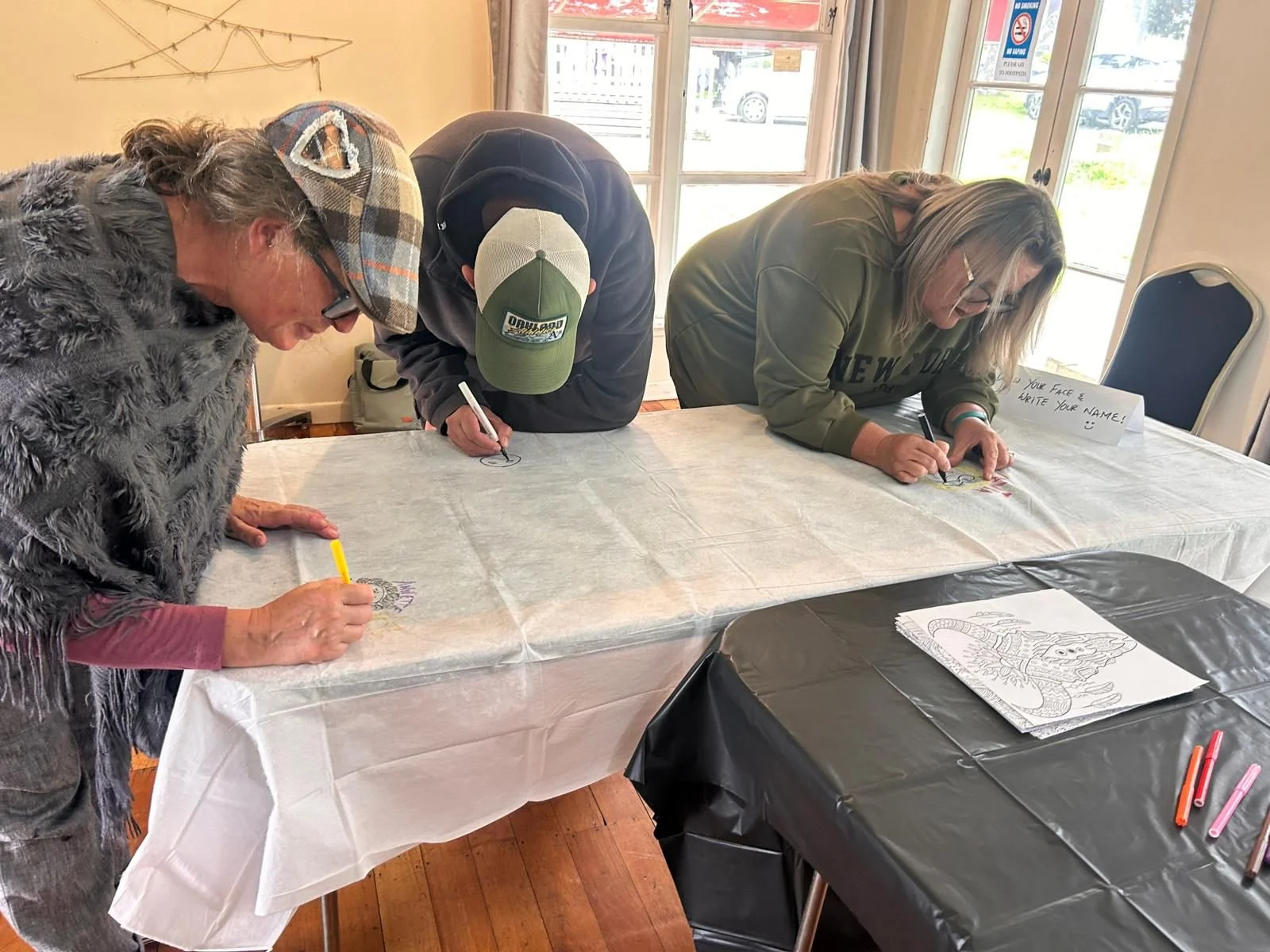
In Wellsford, Weavers focused on connecting across cultures and creating opportunities for people to meet and participate. New relationships formed, neighbours picked up bats and created a softball league, and community-led activities began to emerge.
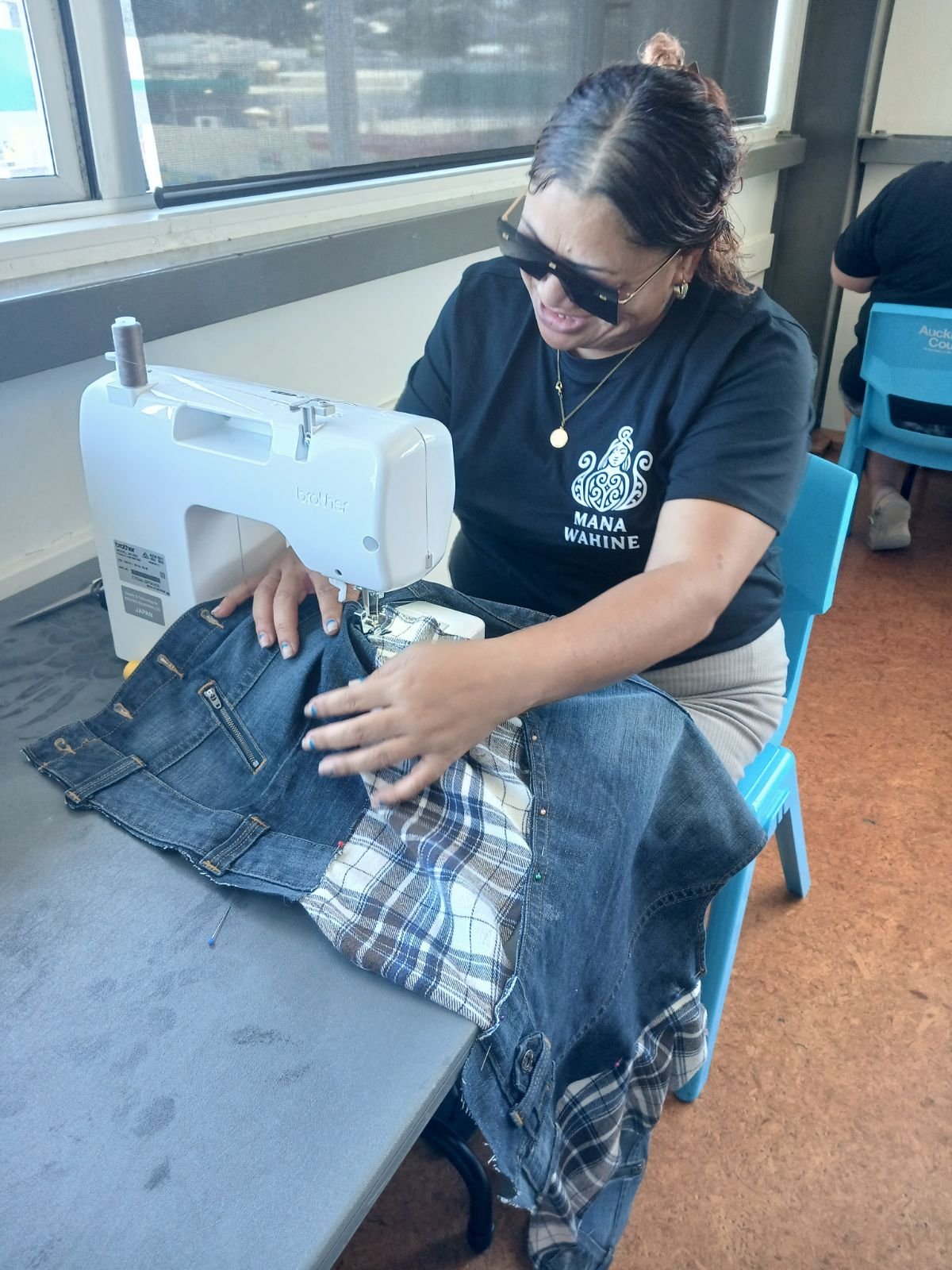
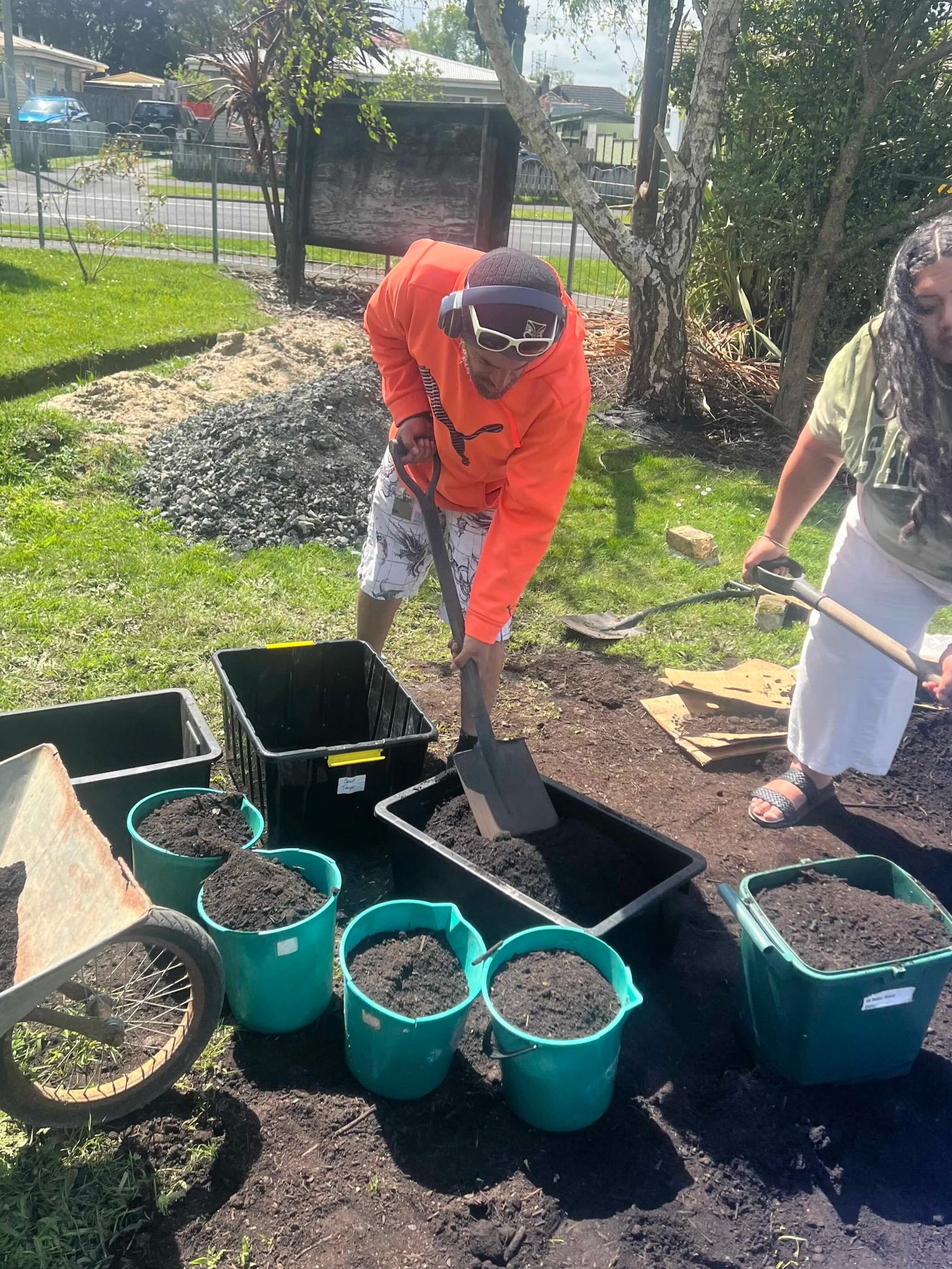
In Mangakootukutuku, the work was strongly influenced by te ao Māori and centred around Te Whare Kōkona community centre. New initiatives emerged, including Mana Wahine gatherings and weekly walking groups that continued long after the project itself had finished.
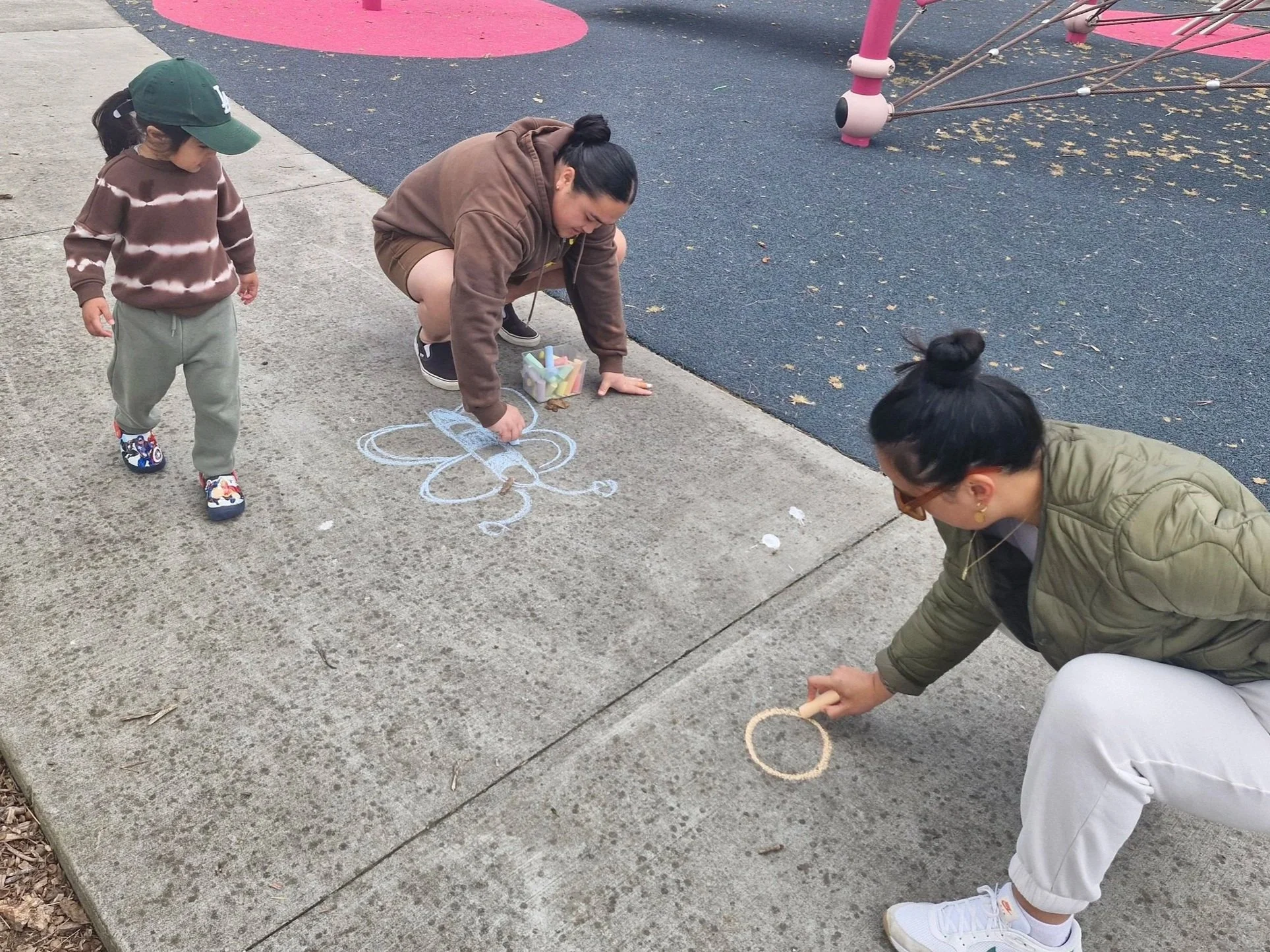
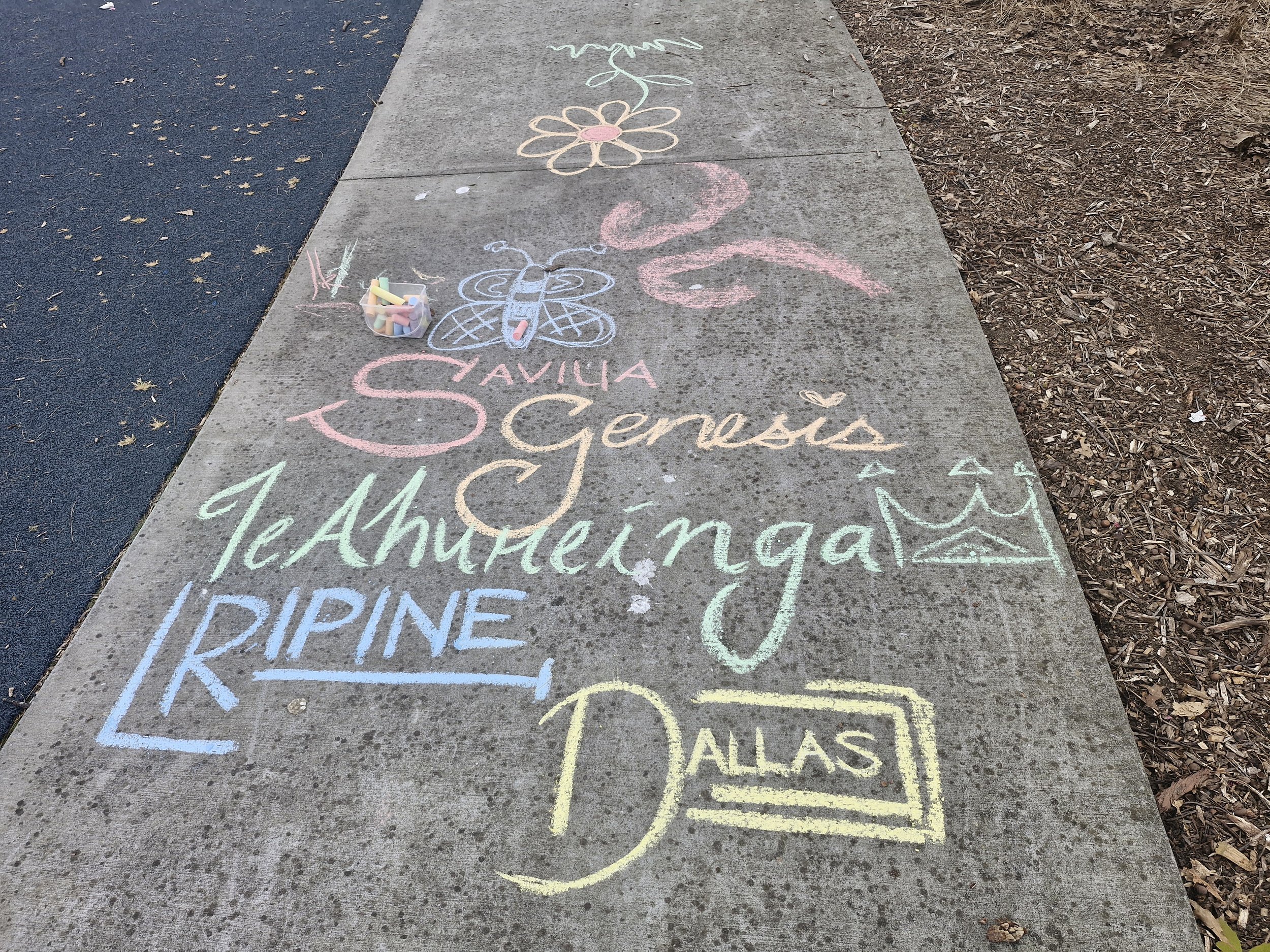
In Hoon Hay, participation was sparked through creative neighbourhood activities such as Choc Around the Block and Decorate December, while in Rowley the focus was on strengthening and supporting a community that already had strong local leadership and energy.
Participation Culture isn't built through one big programme or event. It grows through hundreds of small relational moments over time. It can be slower, messier, and harder to measure than traditional approaches. But because it grows from people's own interests, relationships, and aspirations, it has a way of sticking.
The 5 principles of Participation Culture
Binocular Vision
We look at community through two lenses at once — Māori and Western worldviews. This isn't about splitting the difference. It's about letting the tension between them make our thinking sharper. When we look at participation through te ao Māori, we see something bigger: real connection, collective wellbeing, and long-lasting relationships..
Getting Alongside People
Being a Weaver means listening first. We show up where people already are. We sit with them, notice what matters, and get out of the way. This flips the power dynamic — suddenly residents' own ideas become the main event, not ours.
But here's the thing: people don't just jump in. They need micro-scaffolding. Someone attends an event with their whānau, comes back for a skillshare, gets invited to teach something, then maybe leads. That's how confidence actually builds — one small step at a time, with support.
Relationships Before Ideas
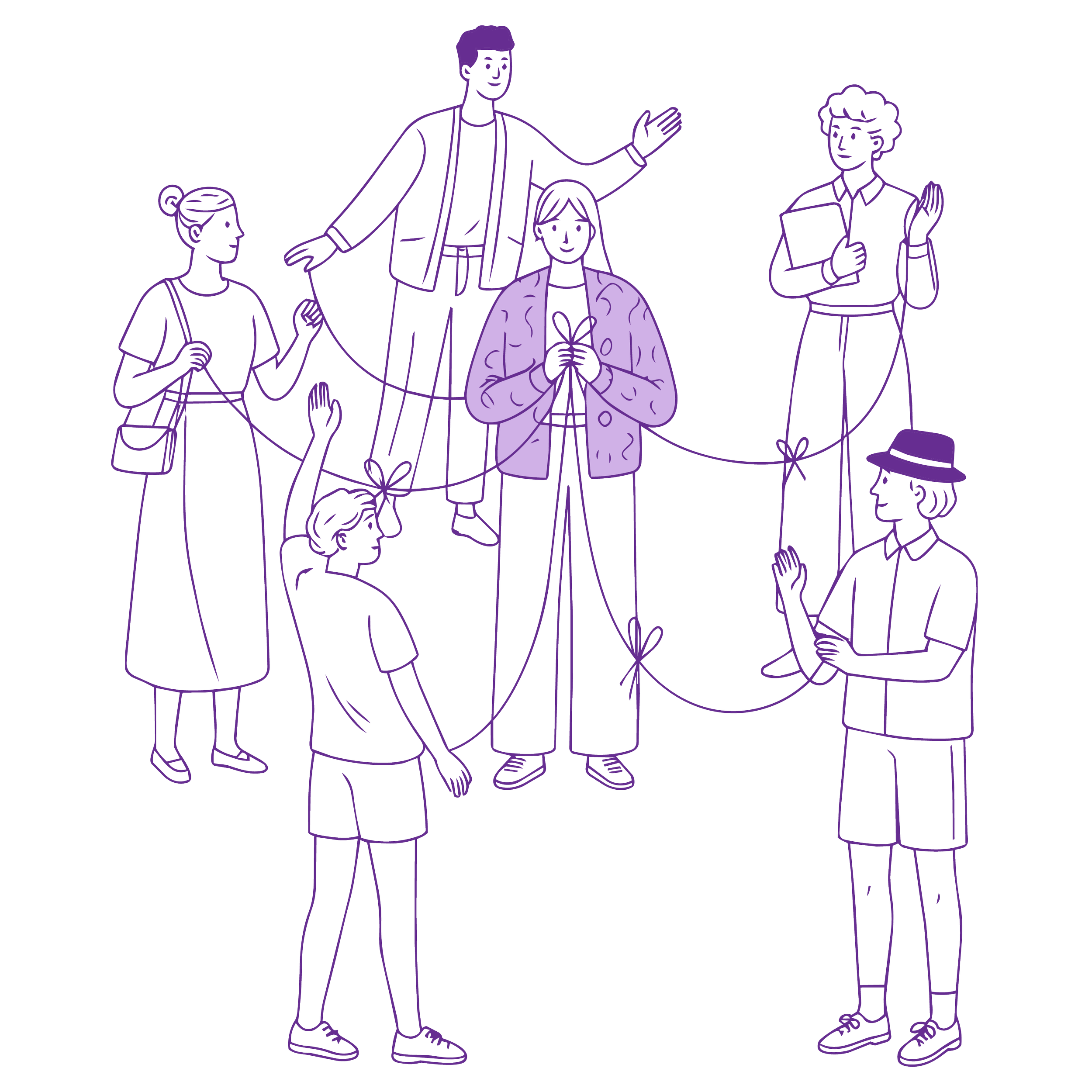
Community plans look good on paper. But they go nowhere without trust. Weavers hold their ideas lightly — like seeds in a back pocket — until the moment feels right. First, build the relationship. Let people know you're real.
This means showing up, being consistent, and letting residents lead. Plans get old fast. Relationships don't.
Little and Often, Varied and Rhythmic
Cups of tea. Shared walks. Conversations that don't need much setup. These are how you build a steady rhythm that doesn't ask too much of anyone.
Think about the natural patterns already in your community — school drop-offs, term times, neighbourhood gathering spots. Work with that rhythm, not against it. People feel the consistency and know they can drop in whenever.
Everything Happens in Context
Every community carries its own story. Maybe shared trauma that became a strength. Colonial systems that continue to impact everyday lives. The skill is reading the room — understanding the local mood, the timing, what people actually need right now — and shaping your work to fit.
In the Middle of it.

A podcast that explores what it takes to grow participation culture in Aotearoa
Listen on:



This podcast was born from a desire to share the lessons learned and create an alternative with our communities and create a more accessible, meaningful way to report back to those who have supported our work.
If you’re curious about building "participation culture" at neighbourhood level, creating connections, or just love a good community story, this podcast is for you!
Real Stories
Hear straight from local “People Weavers” as they bring their communities together.
Fresh Perspectives
Explore how Western and Te Ao Māori worldviews work together to shape participatory culture.
Practical Inspiration
Discover what works (and what doesn’t) when creating connections and building a sense of belonging.
Behind the Scenes
Peek into the creative, messy, and rewarding process of making change happen.
Hosted by Cissy Rock, Duncan Matthews & Lucy-Mary Mulholland.